
BIG BAD WOLF Hiding Spots & Strategy Tier List
Community-informed S–C ranks for hide spots, barricades, flashlight discipline, and co-op roles — not absolute law.
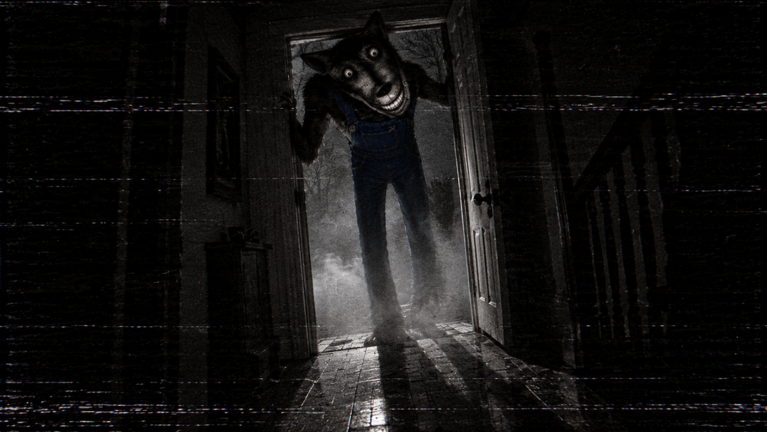
This Hiding Spots & Strategy Tier List ranks habits that keep you alive across seven nights in BIG BAD WOLF. It is community-informed, not a developer ladder. Seeds, patches, and wolf pathing can move a spot up or down. Use ranks as priorities when you have three seconds to choose — then adapt.
Official pillars still beat any list: board windows, push furniture against doors, manage flashlight batteries, stay quiet because the wolf hunts by sound, and use beds, closets, and wardrobes when pressure spikes. Pair this page with Hiding & Stealth, Survive Nights, and the Co-op Guide.
How ranking works
Criteria weighted for typical public and four-player private runs:
- Safety while hidden — does the spot break line of sight and buy time?
- Entry noise — can you enter without sprinting or slamming props?
- Exit options — can you leave toward a boarded route or teammate?
- Setup cost — boards, furniture, or basement prep required first?
- Co-op value — does the spot protect a critical objective room?
S-tier habits win most nights. C-tier still has niche uses; nothing here is “never touch.”
S tier — default life-savers
Closets (quiet entry)
Closets remain a top emergency button when you hear the hunt close and you are already indoors. Enter slowly, stop fidgeting, and do not exit the moment audio dips — false calm is common as nights get harder. Closets shine on early-to-mid nights before the wolf’s pressure forces longer holds.
Under beds (short fades)
Under-bed hides are excellent for brief fades after a noisy board place or furniture shove. They are weaker if you already aggroed with sprint spam in the same room. Treat beds as reset tools, not AFK bunkers for an entire night.
Flashlight discipline (battery economy)
Not a furniture piece — still S-tier strategy. Dead lights in the basement or attic approach turn every corner into a panic sprint (and sprint is sound). Knowing when to click off and hug walls separates clears from Night 4–5 wipes. Deep dive: Flashlight Guide.
Three-board seals in prepared rooms (co-op)
Community reports highlight basement food-hide rooms that want three boards, a bookshelf move, and only then radio assembly — with food and radio parts collected first. Solo carry limits around two planks make dedicated board runners S-tier value in co-op. A finished seal room becomes a team anchor when the wolf accelerates on later nights.
A tier — strong with setup
Wardrobes
Wardrobes play like closets with slightly different room placements. Rank them A when the wardrobe sits on your loot loop (tapes, tools, electrical parts). They drop if the only approach is a creaky hall you must cross under chase.
Furniture barricades on key doors
Pushing furniture is an official mechanic and absolutely worth A-tier time. Barricades delay entry while teammates finish a cassette sweep or electrical pickup. They are not permanent walls — reinforce with boards on windows so the wolf cannot simply rotate pressure to glass.
Basement seal rooms (after prep)
Once boarded and stocked, basement hide rooms climb toward S. Before prep they are traps: dark, battery-hungry, and noisy to set up. Sequence matters — community notes say gather food and radio pieces first, seal with three boards, move the bookshelf, then assemble the radio. Skipping order turns an A/S plan into a C disaster mid-craft.
Co-op role clarity
Four players who all chase the same attic key waste the night. A-tier teams assign: battery/loot scout, board carrier, objective lead (phone/radio/tapes), and flex watcher. See Players and the Co-op Guide.
B tier — situational
Open-room furniture piles without boards
A couch against a door helps once. Without window boards and a quiet team, the wolf’s rising intelligence on later nights outpaces a single prop. Use as a bridge while someone fetches planks.
Phone interaction plays
Answering or ignoring the phone is an official tension beat. It ranks B because the “correct” choice can depend on night, audio state, and whether your team is mid-seal. Do not treat the phone as a free win button; treat it as a timed decision that can create noise or distraction.
Long flashlight searches in uncleared halls
Needed for batteries and parts, but B-tier as a habit if you leave every light on. Sweep, mark, extinguish, relocate. Continuous beams advertise motion and drain the resource you need underground.
Solo triple-board attempts
Possible with multiple trips, painful under pressure. B-tier efficiency: do it when the hunt cycle gives a window, or call friends. Community-reported carry limits make this the classic co-op advantage.
C tier — last resorts and traps
Hiding in unfinished objective rooms
Crouching next to an open electrical job or half-built radio while parts still litter the floor is how jumpscares eat progress. Either finish the critical interaction or fall back to a closet/bed first.
Sprint loops around the yard as a “plan”
The setting includes outdoor space, but endless yard sprinting as your only defense is C-tier once the wolf speeds up. Use exterior movement to rotate windows you still need to board, then get inside quiet.
Ignoring spectate lessons
When caught you are out for the night and spectate. Ignoring what killed your team — unboarded glass, stacked footsteps, flashlight panic — keeps you in C-tier decision-making on the next attempt.
Script “solutions”
Not a hide spot. Cheats that reveal the wolf or mute audio are account risks and immersion killers. Read Scripts if you were tempted; then come back to legitimate ranks.
Night context modifiers
Community-reported focus shifts (always re-scout after patches — see Updates):
- Night 2: three tools around the house (floor/table/chair) plus window reinforcement — prioritize boarding routes over fancy hide tech.
- Night 3: cassette tapes in multiple locations — A-tier to clear tapes with a quiet buddy while another watches doors.
- Night 4: electrical parts on normal floor and basement — flashlight discipline jumps in value.
- Night 5: attic key with random spawn — flexibility over memorizing one closet.
- Night 6: delivery supplies / shelter reinforce — barricade and seal habits climb.
Early nights forgive B-tier mistakes. Late nights punish them.
How to apply the list in a live match
- Pre-night: assign co-op roles; agree which door gets furniture first.
- First audio cue: closet or bed if you are mid-room; do not finish a loud craft under chase.
- Downtime: boards and batteries before sightseeing.
- Objective windows: send the quietest player; others hold A/S positions.
- After a wipe: spectate, note which tier habit failed, adjust — then re-open Guides if a mechanic is still unclear.
What this list is not
It is not a promise that closets are always safe. It is not a replacement for Getting Started fundamentals. It does not invent codes or scripts. It will move when Updates change plank rules or task order.
For the story and system overview, visit the Wiki. For redemption myths, see Codes. For ranked play that still feels like horror, stay quiet, seal smart, and treat every S-tier spot as earned — not immortal.
Frequently Asked Questions
Quick answers to the most common questions.
Is this tier list official?
No. It is community-informed guidance based on how players describe hide spots and prep. Patches and random spawns can change outcomes.
What is the best hiding spot?
Closets and under-bed hides rank at the top for emergencies, but a prepared basement seal room can outvalue them on later nights after boards and bookshelf setup.
Why is flashlight discipline ranked so high?
Batteries are a core official mechanic. Running dark at the wrong time causes panic sprints, and the wolf hunts by sound — dead lights create noisy mistakes.
Does co-op change the tiers?
Yes. Three-board seals and split roles jump in value with friends, especially when solo plank carry limits make multi-board jobs slower.
Where should I learn the night objectives behind these ranks?
Use Survive Nights for task order, Hiding & Stealth for audio rules, and Updates after patches that change tools or planks.